
دکتر حمیدرضا عباسی مقدم؛ از صلح جهانی تا عدالت در سلامت و دانش
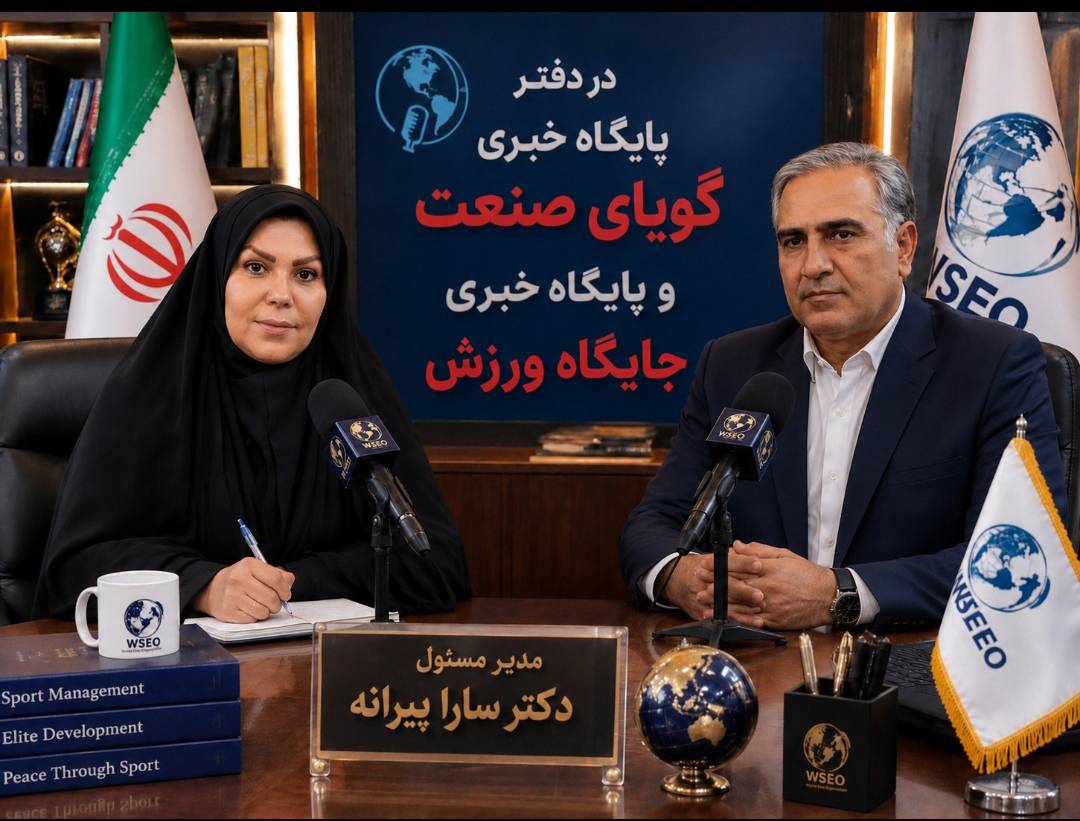
به گزارش جایگاه خبر،مصاحبه ویژه بینالمللی
دکتر حمیدرضا عباسی مقدم؛ از صلح جهانی تا عدالت در سلامت و دانش
Dr. Hamidreza Abbasi Moghadam: From Global Peace to Justice in Health and Knowledge
مصاحبهگر: دکتر سارا پیرانه، مدیرمسئول پایگاه خبری جایگاه خبر
Interviewer: Dr. Sara Piraneh, Editor-in-Chief of Khabar Varzeshi and Gooya Sanat News Platforms
سؤال اول: انگیزه شما برای طرح ایده دبیرکلی سازمان ملل متحد چیست؟
Question 1: What motivates you to put forward your vision for the position of United Nations Secretary-General?
پاسخ فارسی:
انگیزه اصلی من این است که جهان نباید میان پیشرفت علمی و محرومیت انسانی، میان انباشت ثروت و گسترش فقر، و میان قدرت سیاسی و ناتوانی در جلوگیری از جنگ گرفتار بماند. بشریت به مرحلهای رسیده است که توانایی علمی و اقتصادی قابلتوجهی دارد؛ اما مسئله اساسی، نحوه مدیریت، همافزایی و توزیع مسئولانه این ظرفیتهاست.
من معتقدم سازمان ملل متحد باید بیش از گذشته به نهادی برای پیشگیری از بحرانها، حمایت از کرامت انسانی، توسعه سلامت عمومی و تبدیل ظرفیتهای پراکنده جهان به راهحلهای مشترک تبدیل شود. هدف من، طرح یک رویکرد مدیریتی است که در آن صلح، عدالت، سلامت و دانش، اجزای جداییناپذیر توسعه پایدار باشند.
English Answer:
My primary motivation is that the world should no longer remain trapped between scientific progress and human deprivation, the concentration of wealth and the persistence of poverty, or political power and the inability to prevent war. Humanity possesses substantial scientific and economic capabilities, yet the fundamental challenge lies in managing, integrating, and responsibly distributing these capacities.
I believe the United Nations must become even more effective in preventing crises, protecting human dignity, advancing public health, and transforming the world’s fragmented capabilities into shared solutions. My proposed approach places peace, justice, health, and knowledge at the heart of sustainable development
سؤال دوم: چه چیزی رویکرد شما را از برنامههای متعارف بینالمللی متمایز میکند؟
Question 2: What distinguishes your vision from conventional international policy agendas?
پاسخ فارسی:
تمایز اصلی، پیوند دادن اصول انسانی به سازوکارهای اجرایی و اقتصادی است. ما نباید تنها درباره عدالت سخن بگوییم؛ باید مشخص کنیم عدالت چگونه در دسترسی به درمان، آموزش، آب سالم، فناوری، فرصتهای شغلی و منابع مالی تحقق پیدا میکند.
پیشنهاد من، ایجاد چارچوبی برای همافزایی جهانی است که دولتها، دانشگاهها، نهادهای علمی، بخش خصوصی مسئولیتپذیر، سازمانهای مردمنهاد و نهادهای بینالمللی را حول اهداف مشترک گرد هم آورد.
در این چارچوب، هر برنامه باید هدف مشخص، بودجه شفاف، مسئول اجرایی، جدول زمانی، شاخص ارزیابی و سازوکار پاسخگویی داشته باشد. اعتبار یک سیاست جهانی را باید با نتایج واقعی آن در زندگی مردم سنجید، نه صرفاً با تعداد نشستها و بیانیهها.
English Answer:
The principal distinction is the connection between humanitarian principles and practical economic and institutional mechanisms. We must do more than speak about justice; we must define how justice can be achieved in access to healthcare, education, clean water, technology, employment opportunities, and financial resources.
I propose a framework for global synergy that brings governments, universities, scientific institutions, responsible private-sector organizations, civil society, and international institutions together around shared objectives.
Every initiative should have clearly defined goals, transparent funding, accountable leadership, a timetable, measurable indicators, and an independent evaluation mechanism. The credibility of global policy must be measured by its real impact on people’s lives, not merely by the number of meetings or declarations.
—
سؤال سوم: شما چگونه میخواهید جهان را به سمت صلح پایدار و دوری از جنگ هدایت کنید؟
Question 3: How would you help move the world toward lasting peace and away from war?
پاسخ فارسی:
صلح پایدار تنها با درخواست توقف جنگ تحقق پیدا نمیکند؛ بلکه به پیشگیری از بحران، کاهش بیاعتمادی، تقویت دیپلماسی و ایجاد منافع مشترک نیاز دارد.
پیشنهاد من، تقویت دیپلماسی پیشگیرانه، ایجاد کانالهای ارتباطی اضطراری میان طرفهای درگیر، توسعه سازوکارهای میانجیگری بیطرفانه و استفاده بیشتر از ظرفیت سازمان ملل برای شناسایی زودهنگام تهدیدهاست.
همچنین باید توجه داشت که فقر، محرومیت، رقابت بر سر منابع، بحران آب، ناامنی غذایی و نابرابری میتوانند در برخی شرایط به تشدید تنشها کمک کنند. بنابراین، سیاست صلح باید همزمان ابعاد سیاسی، اقتصادی، انسانی و زیستمحیطی را در نظر بگیرد.
هیچ کشوری نباید به دلیل قدرت نظامی، اقتصادی یا سیاسی خود فراتر از اصول منشور ملل متحد قرار گیرد. معیار مشترک باید احترام به حقوق بینالملل، حفاظت از غیرنظامیان و حل مسالمتآمیز اختلافات باشد.
English Answer:
Lasting peace cannot be achieved simply by calling for an end to war. It requires crisis prevention, reduced mistrust, stronger diplomacy, and the creation of shared interests.
I propose strengthening preventive diplomacy, establishing emergency communication channels between parties to conflicts, expanding impartial mediation, and making greater use of the United Nations’ capacity for early threat detection.
Poverty, deprivation, competition over resources, water crises, food insecurity, and inequality can, under certain circumstances, intensify tensions. Peacebuilding must therefore address political, economic, humanitarian, and environmental dimensions simultaneously.
No country should stand above the principles of the United Nations Charter because of its military, economic, or political power. Respect for international law, the protection of civilians, and the peaceful settlement of disputes must remain common standards.
—
سؤال چهارم: برنامه شما برای سلامت جهانی و عدالت در دسترسی به خدمات درمانی چیست؟
Question 4: What is your plan for global health and equitable access to healthcare?
پاسخ فارسی:
سلامت باید بهعنوان یکی از پایههای امنیت انسانی و توسعه اقتصادی شناخته شود. هیچ جامعهای نمیتواند به توسعه پایدار دست یابد، اگر بخش بزرگی از مردم آن به خدمات اولیه درمانی، داروهای ضروری، آب سالم، تغذیه مناسب و پیشگیری از بیماریها دسترسی نداشته باشند.
پیشنهاد من، تدوین یک پیمان جهانی سلامت برای همه است که با همکاری سازمان جهانی بهداشت، دولتها، دانشگاهها و نهادهای تأمین مالی توسعه، بر تقویت مراقبتهای اولیه، تربیت نیروی انسانی، سلامت مادران و کودکان، پیشگیری از بیماریهای غیرواگیر و آمادگی در برابر همهگیریها تمرکز کند.
این برنامه باید بر اساس نیازهای واقعی کشورها طراحی شود و بهجای تحمیل یک نسخه واحد، تفاوتهای اقتصادی، جمعیتی و زیرساختی را در نظر بگیرد.
هدف آن است که محل تولد، درآمد خانواده یا وضعیت اقتصادی یک کشور، مانعی غیرقابلعبور برای دسترسی انسانها به خدمات ضروری سلامت نباشد.
English Answer:
Health must be recognized as a foundation of human security and economic development. No society can achieve sustainable development if large segments of its population lack access to essential healthcare, medicines, clean water, adequate nutrition, and disease prevention.
I propose a Global Health for All Compact, developed in cooperation with the World Health Organization, governments, universities, and development-financing institutions. It would focus on strengthening primary healthcare, training health professionals, improving maternal and child health, preventing noncommunicable diseases, and preparing for future pandemics.
The initiative must respond to countries’ actual needs rather than impose a single model, taking account of differences in economic conditions, population structures, and infrastructure.
The objective is to ensure that birthplace, family income, or a country’s economic circumstances do not become insurmountable barriers to essential healthcare.
—
سؤال پنجم: منظور شما از تأمین منابع علمی و انسانی برای ۱۳ میلیارد نفر چیست؟
Question 5: What do you mean by mobilizing scientific and human resources for a population of 13 billion?
پاسخ فارسی:
من عدد ۱۳ میلیارد نفر را بهعنوان یک سناریوی آیندهنگر برای آزمودن ظرفیتهای جهان مطرح میکنم، نه بهعنوان جمعیت کنونی یا پیشبینی قطعی جمعیت زمین.
پرسش اصلی این است: اگر جهان در آینده با جمعیتی بسیار بزرگتر از امروز مواجه شود، چگونه باید ظرفیتهای علمی، اقتصادی، انسانی و زیرساختی خود را برای تأمین نیازهای اساسی انسانها آماده کند؟
پیشنهاد من، ایجاد یک برنامه جهانی آیندهپژوهی جمعیت و منابع است که با استفاده از مدلهای علمی و سناریوهای مختلف، نیازهای احتمالی غذا، آب، انرژی، سلامت، مسکن، آموزش و اشتغال را بررسی کند.
این برنامه باید به افزایش بهرهوری، کاهش ضایعات، توسعه فناوریهای پاک، انتقال دانش، تقویت کشاورزی پایدار و گسترش آموزش باکیفیت کمک کند.
همزمان باید از منابع طبیعی محافظت شود و نیازهای نسلهای آینده نیز در تصمیمگیریهای امروز لحاظ گردد. توسعه واقعی زمانی اتفاق میافتد که افزایش ظرفیت تولید با حفظ محیطزیست، عدالت اجتماعی و کرامت انسانی همراه باشد.
English Answer:
I present the figure of 13 billion as a forward-looking scenario for testing the world’s capacity, not as the current global population or a definitive population forecast.
The central question is this: if the world faces a substantially larger population in the future, how should its scientific, economic, human, and infrastructural capacities be prepared to meet people’s essential needs?
I propose a Global Population and Resource Foresight Initiative that uses scientific models and alternative scenarios to assess potential needs in food, water, energy, healthcare, housing, education, and employment.
The initiative should promote productivity, reduce waste, advance clean technologies, facilitate knowledge transfer, strengthen sustainable agriculture, and expand access to quality education.
At the same time, natural resources must be protected and the needs of future generations incorporated into present-day decisions. Genuine development occurs when greater productive capacity goes hand in hand with environmental protection, social justice, and human dignity.
—
سؤال ششم: چگونه میتوان منابع مالی جهان را در خدمت عدالت و توسعه قرار داد؟
Question 6: How can global financial resources be mobilized in the service of justice and development?
پاسخ فارسی:
مسئله فقط کمبود منابع مالی نیست؛ بلکه کیفیت تخصیص منابع، شفافیت، بهرهوری و میزان پاسخگویی نیز اهمیت اساسی دارد.
من پیشنهاد میکنم یک چارچوب مشارکت مالی توسعه ایجاد شود که دولتها، بانکهای توسعهای، مؤسسات مالی، سرمایهگذاران مسئولیتپذیر و بخش خصوصی را برای تأمین مالی پروژههای دارای آثار روشن انسانی و اقتصادی گرد هم آورد.
این چارچوب میتواند بر پروژههای سلامت، آب، آموزش، انرژی پاک، کشاورزی پایدار و زیرساختهای ضروری تمرکز کند. هر پروژه باید از ارزیابی فنی و اقتصادی، بررسی ریسک، نظارت مستقل، حسابرسی و انتشار عمومی نتایج برخوردار باشد.
تأمین مالی نباید به ابزاری برای وابستگی سیاسی، انتقال ناعادلانه ریسک به مردم یا تحمیل تعهدات غیرشفاف تبدیل شود. معیار اصلی باید پایداری مالی، منفعت عمومی و قابلیت ارزیابی نتایج باشد.
English Answer:
The challenge is not simply a shortage of financial resources. The quality of resource allocation, transparency, productivity, and accountability are equally important.
I propose a Development Finance Partnership Framework that brings together governments, development banks, financial institutions, responsible investors, and the private sector to finance projects with demonstrable humanitarian and economic benefits.
The framework could prioritize healthcare, water, education, clean energy, sustainable agriculture, and essential infrastructure. Every project should undergo technical and economic appraisal, risk assessment, independent oversight, auditing, and public reporting of results.
Financing must not become an instrument of political dependency, an unfair transfer of risk to ordinary people, or the imposition of opaque obligations. The central criteria must be financial sustainability, public benefit, and measurable outcomes.
—
سؤال هفتم: ورزش چه جایگاهی در سیاست خارجی و صلح جهانی شما دارد؟
Question 7: What role would sport play in your approach to international relations and global peace?
پاسخ فارسی:
ورزش یکی از ظرفیتهای مهم و گاه کمتر استفادهشده در دیپلماسی انسانی است. ورزش میتواند افراد و ملتهایی را گرد هم آورد که ممکن است در حوزههای سیاسی یا اقتصادی اختلاف داشته باشند.
با توجه به تجربه من در مدیریت و توسعه ورزش و فعالیتهای علمی مرتبط، پیشنهاد میکنم از ظرفیت ورزشکاران برجسته، مربیان، دانشگاهیان و نهادهای ورزشی برای توسعه برنامههای مشترک سلامت، آموزش جوانان، ورزش فراگیر و گفتوگوی میان ملتها استفاده شود.
این رویکرد نباید ورزش را از مسائل واقعی جهان جدا کند؛ بلکه باید آن را در کنار آموزش، سلامت، حقوق بشر و همکاری بینالمللی قرار دهد.
ورزش میتواند فضایی برای تعامل محترمانه ایجاد کند، اما جایگزین دیپلماسی رسمی، توافقهای سیاسی یا مسئولیت دولتها در حل اختلافات نخواهد بود.
English Answer:
Sport is an important and sometimes underutilized resource for humanitarian diplomacy. It can bring together individuals and nations that may disagree politically or economically.
Drawing on my experience in sports management and development, as well as related academic activities, I propose using the capacities of distinguished athletes, coaches, academics, and sports institutions to advance joint health programs, youth education, inclusive sport, and dialogue among nations.
This approach should not separate sport from the world’s real challenges. Instead, it should integrate sport with education, health, human rights, and international cooperation.
Sport can create opportunities for respectful engagement, but it cannot replace formal diplomacy, political agreements, or governments’ responsibilities to resolve disputes.
—
سؤال هشتم: اگر فرصت خدمت در جایگاه دبیرکل سازمان ملل را پیدا کنید، نخستین اولویت شما چه خواهد بود؟
Question 8: If given the opportunity to serve as United Nations Secretary-General, what would be your first priority?
پاسخ فارسی:
نخستین اولویت من، ایجاد یک نظام مدیریتی نتیجهمحور برای تقویت اعتماد عمومی به سازمان ملل خواهد بود؛ نظامی که بتواند میان مأموریتهای انسانی، ظرفیتهای علمی، منابع مالی و مسئولیتهای اجرایی ارتباط مؤثر برقرار کند.
در گام نخست، ارزیابی دقیق برنامههای موجود، شناسایی شکافهای اجرایی و تعیین چند هدف مشترک و قابل سنجش را دنبال خواهم کرد. سپس، با همکاری کشورهای عضو و نهادهای تخصصی، برای هر هدف شاخص، جدول زمانی، مسئولیت سازمانی و سازوکار گزارشدهی تعریف میشود.
در حوزه صلح، اولویت با پیشگیری از تشدید بحرانها و تقویت میانجیگری خواهد بود. در حوزه سلامت، تمرکز بر دسترسی عادلانه به خدمات ضروری قرار میگیرد. در حوزه توسعه، بهبود بهرهوری منابع، انتقال دانش و تأمین مالی شفاف اهمیت خواهد داشت.
من معتقدم دبیرکل باید بتواند میان دیدگاههای متفاوت پل ارتباطی ایجاد کند، بیطرفانه به منشور ملل متحد پایبند بماند و در برابر نتایج عملکرد سازمان پاسخگو باشد.
English Answer:
My first priority would be to establish a results-oriented management system that strengthens public trust in the United Nations by connecting humanitarian missions, scientific capabilities, financial resources, and operational responsibilities.
The initial phase would involve a rigorous assessment of existing programs, identification of implementation gaps, and the selection of a limited number of shared, measurable objectives. In cooperation with Member States and specialized institutions, each objective would then receive defined indicators, a timetable, institutional responsibilities, and reporting mechanisms.
In peace and security, the priority would be preventing escalation and strengthening mediation. In health, the focus would be equitable access to essential services. In development, improving resource productivity, transferring knowledge, and ensuring transparent financing would be central.
I believe a Secretary-General must build bridges between differing perspectives, uphold the United Nations Charter impartially, and remain accountable for the Organization’s performance.
—
پیام پایانی نامزد پیشنهادی
فارسی:
من خواهان جهانی نیستم که در آن همه کشورها یکسان بیندیشند؛ من خواهان جهانی هستم که کشورها، با وجود تفاوتهایشان، بتوانند برای حفظ جان انسانها، گسترش عدالت، پیشرفت علم و جلوگیری از جنگ همکاری کنند.
قدرت واقعی جامعه جهانی در توانایی آن برای تبدیل اختلاف به گفتوگو، منابع به فرصت، دانش به رفاه و مسئولیت به اقدام مؤثر است.
آینده بشریت زمانی روشنتر خواهد شد که هیچ انسانی صرفاً به دلیل محل تولد، فقر یا محرومیت از فرصتهای اساسی زندگی محروم نماند.
English:
I do not seek a world in which all nations think alike. I seek a world in which nations, despite their differences, can cooperate to protect human life, advance justice, promote science, and prevent war.
The true strength of the international community lies in its ability to transform disagreement into dialogue, resources into opportunity, knowledge into well-being, and responsibility into effective action.
Humanity’s future will be brighter when no one is denied life’s essential opportunities simply because of where they were born, poverty, or deprivation.


